Important: These symptoms do not automatically mean cancer. Many are caused by infections, hormonal changes, digestive disorders, or other non-cancerous conditions. However, symptoms that persist, worsen, or occur together should be evaluated by a healthcare professional.

1. Unexplained Weight Loss
Unexpected weight loss can sometimes be an early warning sign.
Pay attention if you lose 10 pounds (4.5 kg) or more without:
- Dieting
- Exercising more than usual
- Making significant lifestyle changes

2. Persistent Fatigue
Cancer-related fatigue is often different from ordinary tiredness.
Warning signs include:
- Extreme exhaustion
- Weakness that doesn’t improve with rest
- Difficulty performing routine activities

3. Unusual Lumps or Swelling
New lumps should always be monitored.
Common areas include:
- Breasts
- Neck
- Armpits
- Groin
- Testicles
Seek medical advice if a lump:
- Continues growing
- Feels hard
- Doesn’t disappear after several weeks

4. Changes in Moles or Skin
Remember the ABCDE rule when checking moles:
- A — Asymmetry: One half doesn’t match the other.
- B — Border: The edges become irregular.
- C — Color: Multiple colors appear.
- D — Diameter: The spot becomes larger.
- E — Evolving: The mole changes over time.
Also watch for:
- Sores that don’t heal
- New dark spots
- Persistent itching

5. Persistent Cough or Hoarseness
A cough lasting more than three weeks should be evaluated, particularly if it’s accompanied by:
- Chest pain
- Shortness of breath
- Hoarseness
- Coughing up blood

6. Changes in Bowel Habits
Seek medical attention if you experience:
- Blood in the stool
- Persistent constipation
- Persistent diarrhea
- Narrow stools
- Long-term changes in bowel habits

7. Changes in Urination
Possible warning signs include:
- Blood in the urine
- Frequent urination
- Difficulty urinating
- Pain during urination
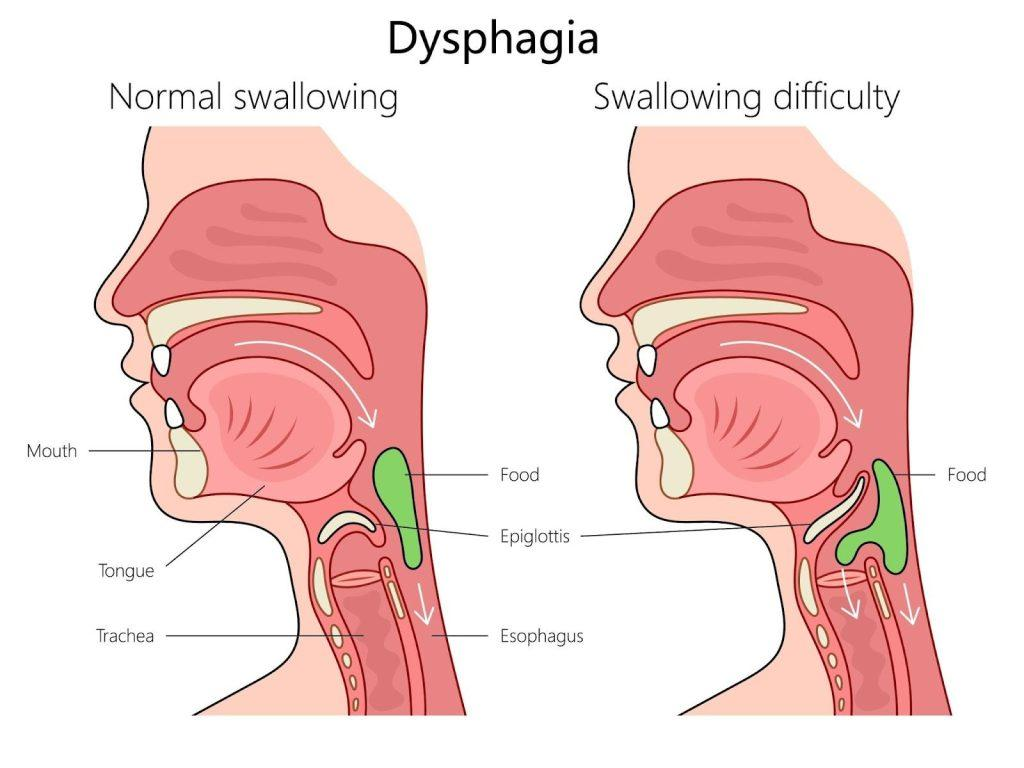
8. Difficulty Swallowing
Trouble swallowing that doesn’t improve may require medical evaluation.
Symptoms include:
- Food feeling stuck
- Pain while swallowing
- Recurrent choking

9. Unusual Bleeding
Unexplained bleeding should never be ignored.
Examples include:
- Blood in the stool
- Blood in the urine
- Bleeding after menopause
- Coughing up blood
- Unexplained bruising

10. Persistent Pain
Pain that:
- Doesn’t improve
- Continues getting worse
- Has no obvious cause
should be discussed with a healthcare professional.
When Should You See a Doctor?
Don’t wait if symptoms:
- Last longer than 2–3 weeks
- Become progressively worse
- Interfere with daily activities
- Occur together
Most people with these symptoms do not have cancer. However, early evaluation can help identify serious conditions sooner and improve treatment outcomes.